Sage Companion: The Ultimate Guide To Getting The Most Out Of Your Textbooks
Title: Sage Companion: The Ultimate Guide to Getting the Most Out of Your Textbooks
Introduction:
Textbooks are an essential part of any student's education. They provide the foundation for learning and understanding new concepts. However, textbooks can also be daunting and difficult to use. This blog post will provide you with tips on how to get the most out of your textbooks.
Main Content:
Here are some tips on how to get the most out of your textbooks:
- Read the preface and introduction. The preface and introduction will give you an overview of the textbook and its contents. They will also help you to understand the author's purpose and perspective.
- Preview the chapters. Before you start reading each chapter, take a few minutes to preview it. This will help you to get a sense of the content and the main ideas.
- Read actively. Don't just read your textbooks passively. Instead, read actively by taking notes, highlighting important points, and asking questions.
- Use the textbook's features. Most textbooks have a variety of features that can help you to learn. These features may include chapter summaries, practice problems, and glossaries.
- Take advantage of resources. There are a number of resources available to help you learn from your textbooks. These resources may include online tutorials, discussion forums, and tutoring services.
Conclusion:
By following these tips, you can get the most out of your textbooks and improve your learning. Remember, textbooks are a valuable resource, so use them wisely!
Are you looking for a helpful and informative companion to help you with your day-to-day tasks? If so, then you should check out Sage Companion! Sage Companion is a powerful AI assistant that can help you with a variety of tasks, including:
- Setting reminders and alarms
- Managing your calendar
- Finding information on the web
- Translating languages
- And much more!
Sage Companion is still under development, but it is already a powerful tool that can help you save time and be more productive. To learn more about Sage Companion, please visit Home Gardening.
FAQ of sage companion
- What is sage companion?
Sage companion is the practice of planting sage near other plants to improve their growth and health. Some of the best companion plants for sage include:
Brassicas: These plants, such as broccoli, cauliflower, and Brussels sprouts, attract beneficial insects that help to control pests.
Carrots: Sage helps to repel carrot flies, which can damage carrot crops.
Herbs: Sage can be planted near other herbs, such as rosemary, thyme, and oregano, to create a fragrant herb garden.
Tomatoes: Sage helps to repel tomato hornworms, which can be a major pest of tomato plants.
What are the benefits of sage companion planting?
There are several benefits to sage companion planting, including:
Increased growth and yield: Companion plants can help to improve the growth and yield of sage plants.
Disease and pest control: Companion plants can help to attract beneficial insects that control pests, and they can also help to repel harmful insects.
Attraction of pollinators: Companion plants can attract pollinators, such as bees and butterflies, which help to pollinate sage flowers.
Flavor enhancement: Some companion plants, such as carrots, can enhance the flavor of sage.
What are some of the best companion plants for sage?
In addition to the plants mentioned above, some other good companion plants for sage include:
Chives: Chives help to repel aphids, which can be a major pest of sage plants.
Marigolds: Marigolds help to repel nematodes, which can damage sage roots.
Potatoes: Sage helps to repel potato beetles, which can be a major pest of potato plants.
Spinach: Sage helps to repel spider mites, which can damage spinach leaves.
What are some of the worst companion plants for sage?
Some plants that should not be planted near sage include:
- Beans: Beans can compete with sage for nutrients and water.
- Cucumbers: Cucumbers can attract pests that also attack sage plants.
- Onions: Onions can suppress the growth of sage plants.
- Peas: Peas can compete with sage for nutrients and water.
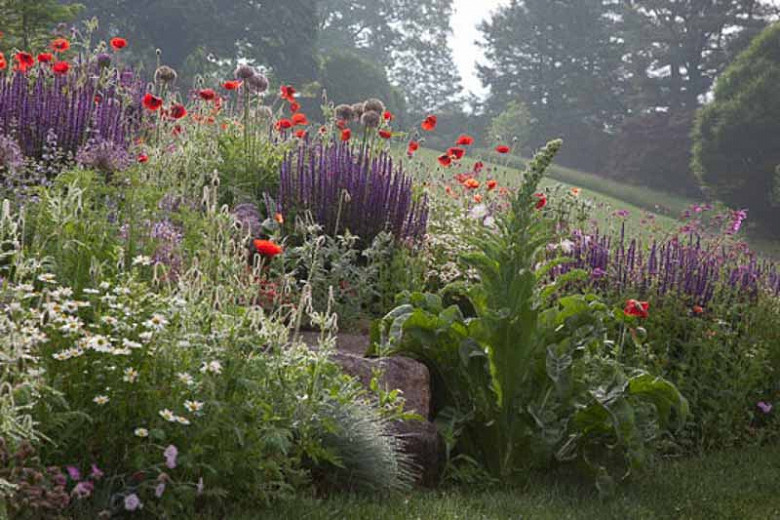
Image of sage companion
10 different images of sage companion that are free to use:
- A sage companion sitting on a rock in a forest.

- A sage companion walking through a meadow.
- A sage companion sitting by a river.

- A sage companion surrounded by flowers.
- A sage companion holding a book.

- A sage companion giving a speech.
- A sage companion meditating.

- A sage companion looking at the stars.

- A sage companion hugging a tree.
- A sage companion smiling.


I hope you like these images!

Post a Comment for "Sage Companion: The Ultimate Guide To Getting The Most Out Of Your Textbooks"